English
 Albanian
 Amharic
 Arabic
 Armenian
 Bengali
 Catalan
 Cebuano
 Chinese (Traditional)
 Croatian
 Czech
Czech Dutch
Dutch Filipino
 Finnish
 French
 German
 Greek
Greek Gujarati
 Haitian Creole
 Hausa
Hausa Hindi
Hindi Hmong
Hmong Hungarian
 Icelandic
 Indonesian
 Italian
 Japanese
 Khmer
Khmer Korean
 Lao
Lao Malagasy
 Malayalam
 Myanmar (Burmese)
 Nepali
 Norwegian
 Pashto
 Persian
 Polish
 Portuguese
 Punjabi
 Romanian
 Russian
 Slovak
 Somali
 Spanish
 Swedish
 Tamil
Tamil Telugu
 Thai
Thai Ukrainian
 Urdu
Urdu Uzbek
Uzbek Vietnamese
What is “phishing”?
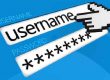
“Phishing” is the use of email and fraudulent Web sites to trick recipients into disclosing personal financial information, such as credit card numbers, Social Security numbers, account names, passwords, and addresses.
What does a Phishing email look like?
Phishing emails often attempt to use emotional triggers to get you to react quickly without thinking through whether you should respond, such as dire language about time limits, loss of service, penalties, or language targeting a desire for money. They often have grammar, spelling, and syntax errors, and phrasing that a native speaker would not use.
An example would be an email with a generic greeting warning of a change in an account requiring you to verify your account information. These emails typically include directions to reply with private information, or provide a link to a web site to verify your account by providing personal information such as name, address, bank account numbers, Social Security numbers, or other sensitive personal information.
Indicators of a phishing email:
* Name and email address don’t match
* Attempt to prove legitimacy using words such as ‘Official’
* Uses a real organization or company name but incorrect email address
* Poor grammar
* Unsolicited requests for personal information are a clear danger signal
* Misspellings
We at St. Lucie Public School will never send an unsolicited email that requests you to “confirm” or “update” your password or account information.
Report phishing to SLPS ITS Department.
If you receive an email asking you to supply personal information related to your SLPS accounts, consider the email a phishing “attack” and report it to ITS immediately.
1. Forward a copy of the suspected phishing email to Terence.Oleary@stlucieschools.org AND
2. Call us at 429-HELP to report the incident.